

Radon Information Before & After Photos
Click on a photo to enlarge.
Airwell radon in water mitigation, Mechanic Falls, ME
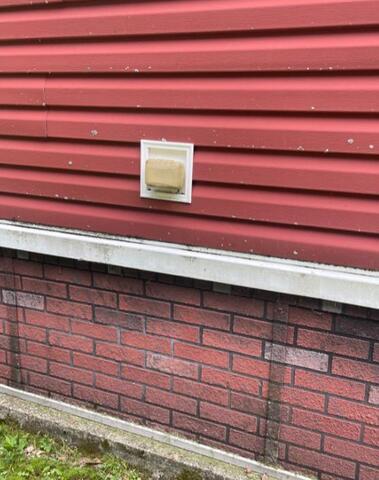
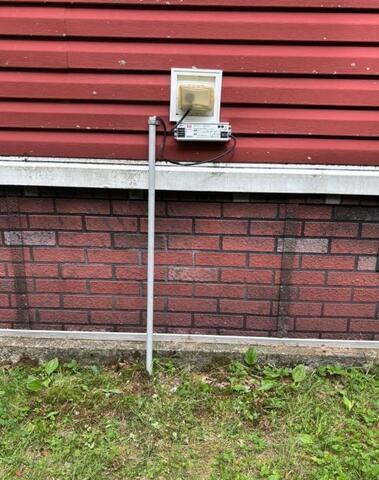
The customer had really high radon in the water and so we installed an airwell. We needed power on the outside of the home to do it and were successful!
Windham me radon in water system swap out


Clients radon in water bubble up system failed on them. Client then called us to evaluate the system. This system had a bad blower and pump. Client decided to upgrade from a 80% effective system to a new 92-99% effective bubble up.
Before & After - Real Estate Radon Mitigation | Windham, Maine
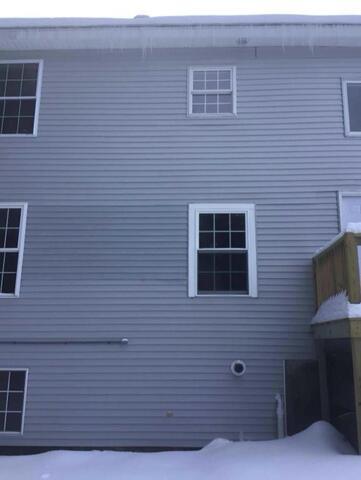
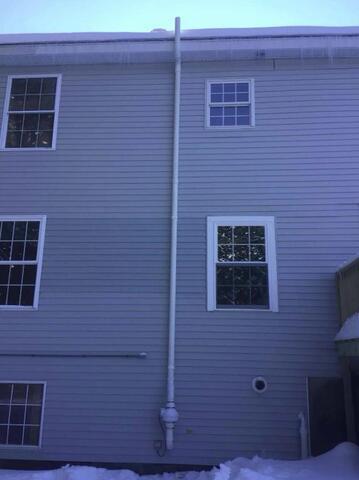
Before:
Jason, a real estate agent in Windham, Maine, contacted us after a radon test in a 2001-built home came back at 13 pCi/L. The property had a full poured-concrete basement with bulkhead access and windows on two sides, and the exposed conditions along part of the foundation added complexity to the planning.
During evaluation, we noted approximately 20 feet of exposed perimeter drain, which required additional protection to ensure a proper and durable installation.
After:
We installed a sub-slab mitigation system designed around the structure and added a trench guard along the exposed perimeter drain to maintain airflow integrity and protect the system. The piping was routed cleanly, the installation blended well with the home, and the system delivered effective radon reduction.
The result was a professional, well-executed solution that kept the real estate timeline on track and provided confidence to everyone involved.
Another Windham home protected — and another smooth transaction supported with the right plan and execution.
Windham, ME


Client was looking for a radon mitigation system to address their workshop! We were able to tuck the system into the closet for a nice clean install
Radon Mitigation Windham ME


Maine Radon & Environmental was called out to this Windham Maine property after client tested their radon air levels which were over 200 pci/l in the air. This install was a challenge because their was only a small unfinished area in the basement and client wanted an interior run system. No problem we went through garage firewall and up though the roof. Another happy client!!
our service area
We serve the following areas
- Acton
- Alfred
- Andover
- Berwick
- Bethel
- Bridgton
- Brownfield
- Bryant Pond
- Center Lovell
- Cornish
- Denmark
- East Andover
- East Baldwin
- East Parsonsfield
- East Waterboro
- Eliot
- Fryeburg
- Greenwood
- Hanover
- Harrison
- Hiram
- Kittery
- Kittery Point
- Lebanon
- Limerick
- Limington
- Lovell
- Newfield
- Newry
- North Berwick
- North Bridgton
- North Waterboro
- North Waterford
- Oquossoc
- Parsonsfield
- Porter
- Rangeley
- Roxbury
- Sanford
- Sebago
- Shapleigh
- South Berwick
- Springvale
- Stoneham
- Waterboro
- Waterford
- West Baldwin
- West Bethel
- West Newfield
- York